Case Study

Redefining Field Dispatch: Mobile-First & Real-Time

🚚 A mobile-first dispatch system that slashed paperwork and sped up operations.

TL;DR

Led the redesign of a mobile-first dispatch platform that transformed paper-based workflows into a real-time digital system. Achieved 95% mobile adoption in 30 days and reduced dispatch-to-completion time by 40%.

Hear the highlights

Audio recap

1:52 narrated overview

$2.1MAnnual Cost Savings
47%Faster Dispatch Times
Redefining Field Dispatch: Mobile-First & Real-Time hero image

Overview

Problem, constraints, and product direction.

A nationwide logistics company was coordinating over 100,000 specialized moves annually using outdated methods—paper schedules, Excel sheets, and PDF forms. Technicians in the field lacked a cohesive digital tool, leading to inefficiencies and miscommunication across teams.

I led the UX design of a mobile-first dispatch platform that modernized operations, offering real-time visibility and intuitive tools tailored for technicians and dispatchers alike.

Challenge

The dispatch process was fragmented and manual, causing frequent delays and errors:

  • Paperwork Overload: Manual job tracking increased error rates.
  • No Real-Time Updates: Dispatchers lacked visibility into field progress.
  • Poor Usability: Tools weren’t optimized for mobile use in the field.

Solution

We delivered a mobile-first operating layer with:

  • Centralized job information and status tracking
  • Offline functionality and mobile-first design.
  • Real-time job assignment, tracking, and rerouting.

Research & Insights

Understanding behavior before designing the system.

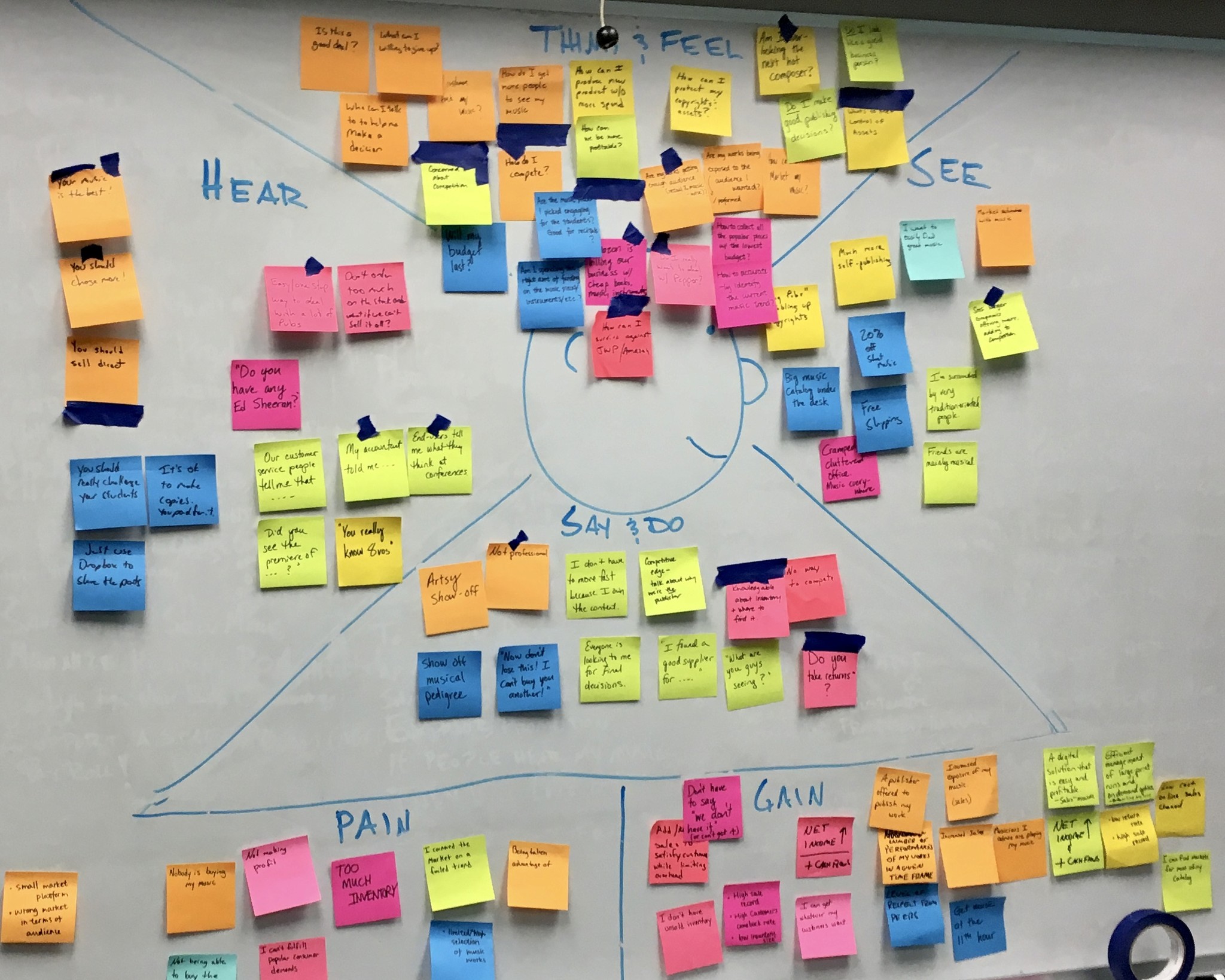
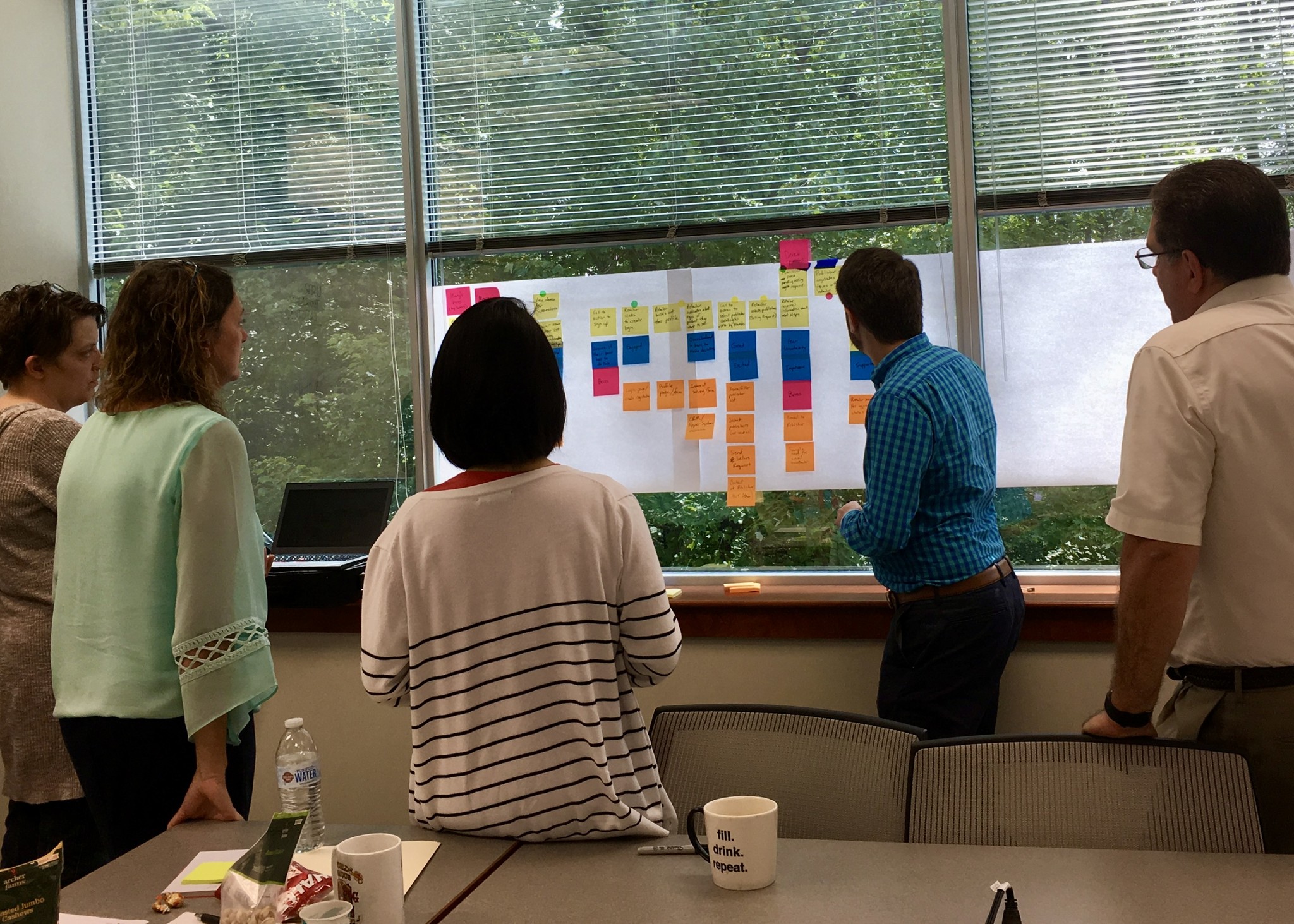
We built a digital dispatch platform optimized for field use and HQ monitoring, grounding design decisions in field research and operational constraints.

Methods

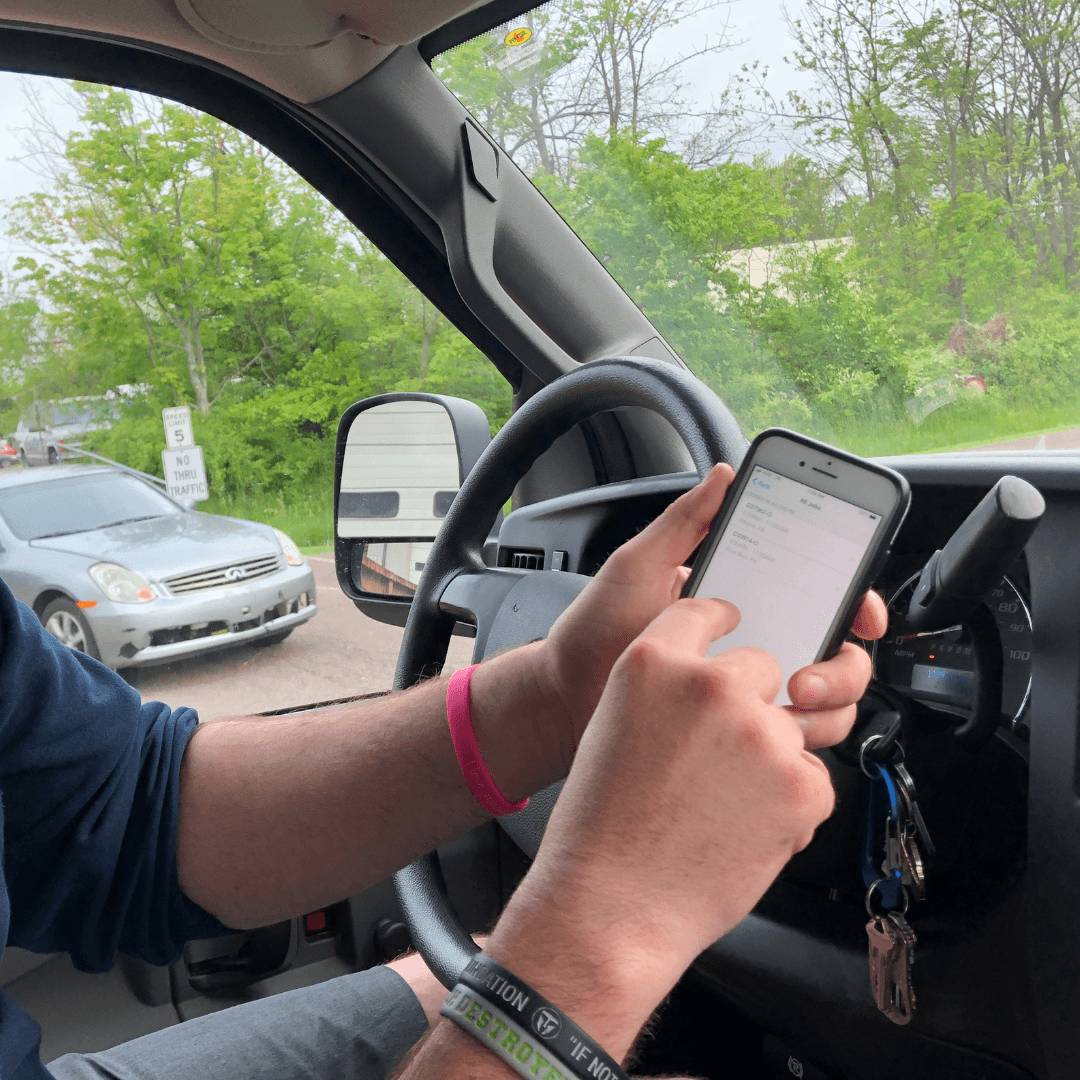
  • Shadowed dispatchers and rode along with technicians
  • 10+ contextual interviews

Findings

  • Spotty Connectivity: Offline access was critical
  • Simplicity First: Field techs wanted less clutter, clearer visibility
  • Visibility Gaps: Dispatchers needed real-time insights
“We lose track of where each tech is at during the day. Once they’re out, we’re basically blind.”
Quinn D. · Dispatcher
“I don’t need a ton of features—just my list of jobs and a quick way to mark them done.”
Taylor S. · Field Technician
Redefining Field Dispatch: Mobile-First & Real-Time supporting imageRedefining Field Dispatch: Mobile-First & Real-Time supporting image

Design Decisions

Key moves that clarified complex workflows.

A look at the pivotal design decisions that shaped the experience, balancing real-world constraints with user needs.

Dispatch → Technician View → Progress → Completion Sync

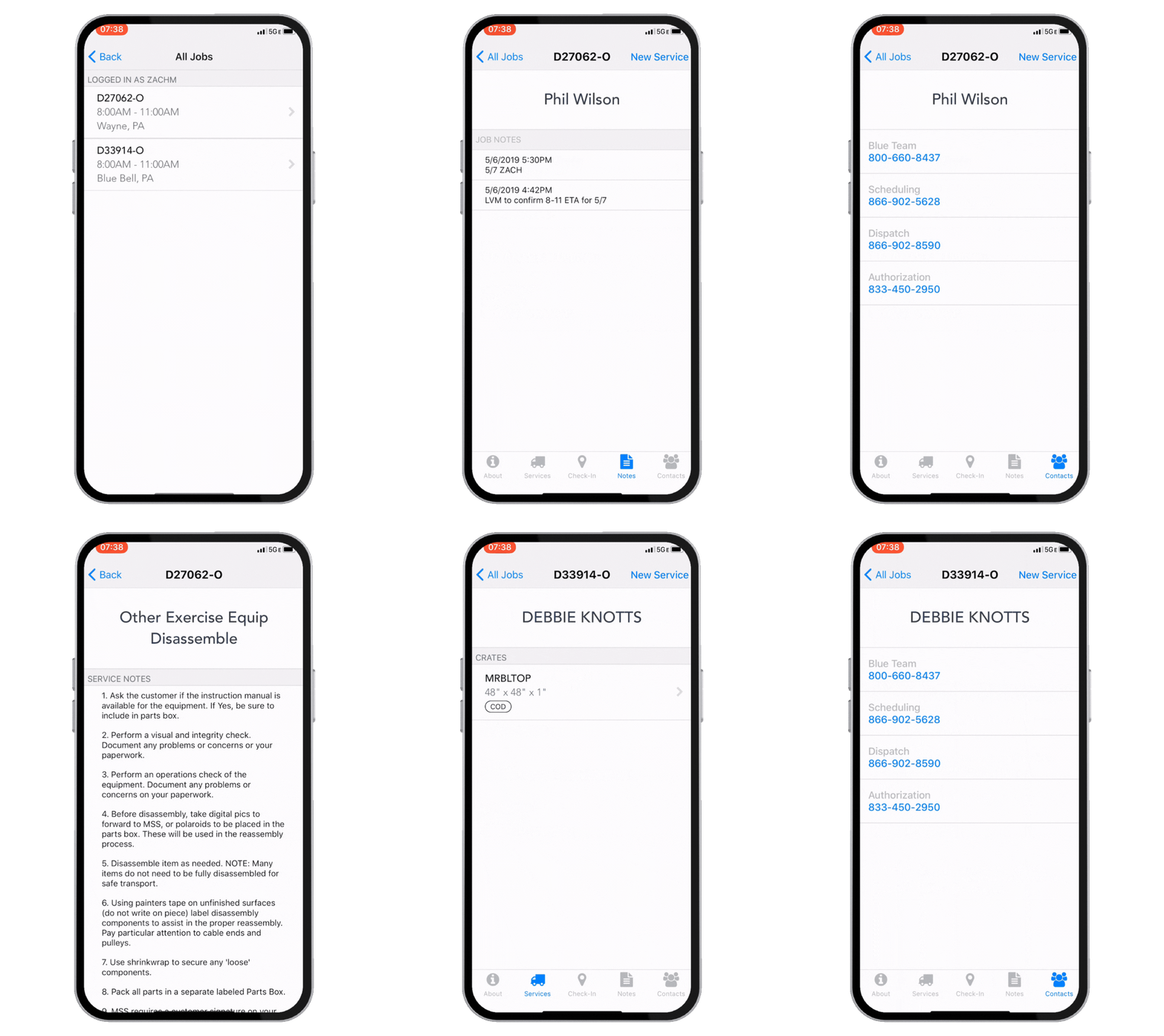
  • 📅 Simplified daily scheduling
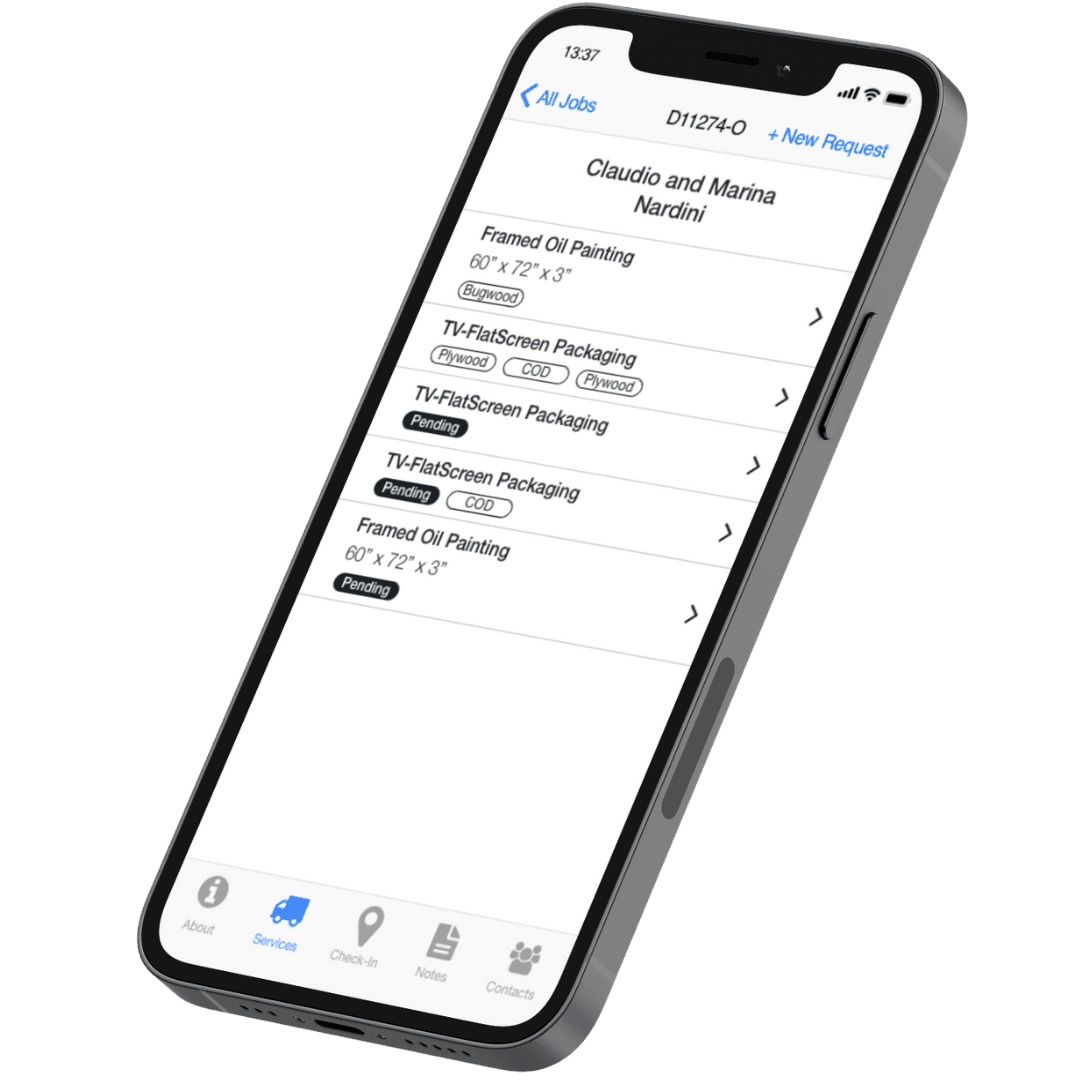
  • 🗂️ Job cards with detailed instructions
  • 👆 One-tap status updates
  • 📈 Dispatcher dashboard for live monitoring

Usability tests led to offline sync, larger tap targets, and UI refinements.

Redefining Field Dispatch: Mobile-First & Real-Time design imageRedefining Field Dispatch: Mobile-First & Real-Time design image

Outcome

Measurable impact and operational change.

The final solution included a mobile interface for technicians to track jobs, a real-time console for dispatchers, and a modular design system built for future scalability.

  • ⏱️ 95% Mobile Adoption within 30 days
  • 📝 Zero Paper Dispatching within 6 weeks
  • ⏱️ 40% Faster Job Completion
“It’s night and day from before. Dispatch is faster, and my techs are way more confident in the field.”
Alex B. · Operations Manager

Reflection

Designing for real-world constraints like low connectivity and gloves-on usage was key. Prioritizing early-stage field testing was crucial for the success of the project.

Back to projects