Case Study

Transforming Enterprise Security: From Fraud to Revenue Growth

๐Ÿ” An enterprise authentication redesign that eliminated fraud while unlocking millions in new revenue opportunities.

TL;DR

Led the strategic transformation of an enterprise learning platform's security architecture, converting a $650K fraud problem into a $3.75M business opportunity. Achieved zero fraud incidents while generating $3.1M in first-year revenue through cross-functional stakeholder alignment.

Hear the highlights

Audio recap

1:44 narrated overview

$3.75MTotal Business Impact
575%ROI Achievement
Transforming Enterprise Security: From Fraud to Revenue Growth hero image

Overview

Problem, constraints, and product direction.

An enterprise learning platform was losing $650K annually to promo code fraud while missing millions in Fortune 500 revenue. The consumer-focused system lacked the security, compliance, and administrative controls enterprise clients demanded. Research revealed our B2C discount model was incompatible with enterprise procurement processes. The challenge: align Legal (security), Sales (growth), and IT (simplicity) while transforming a cost center into a profit driver.

Challenge

The existing system was fundamentally broken:

  • Massive Fraud: 92% of promotional code usage was unauthorized, $650,000 lost annually to code abuse.
  • Security Vulnerabilities: Codes leaked weekly on Reddit and social platforms.
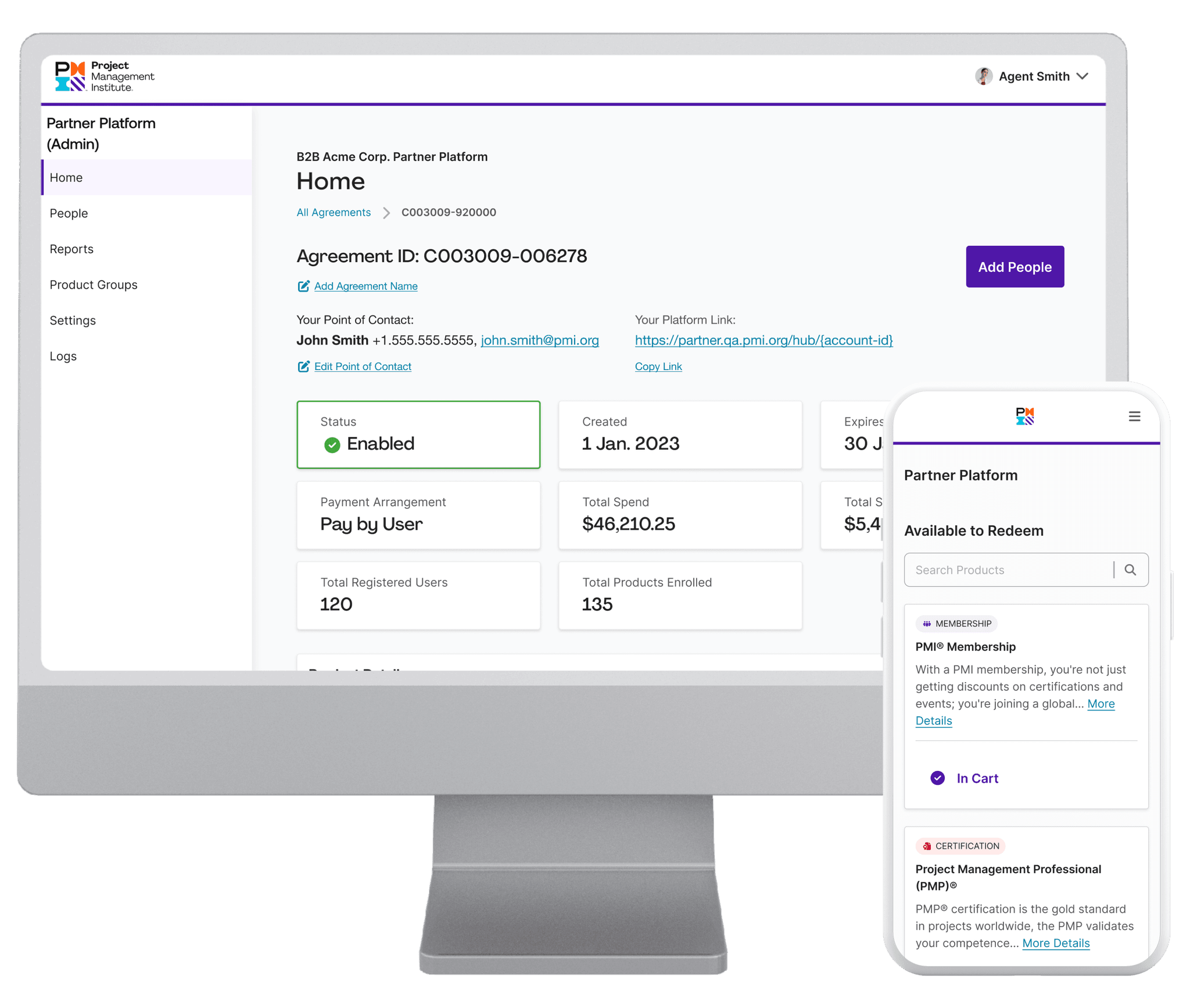
  • Poor Visibility: Organizations had no insight into employee purchasing patterns.
  • Support Overload: Teams overwhelmed with fraud-related tickets.

Solution

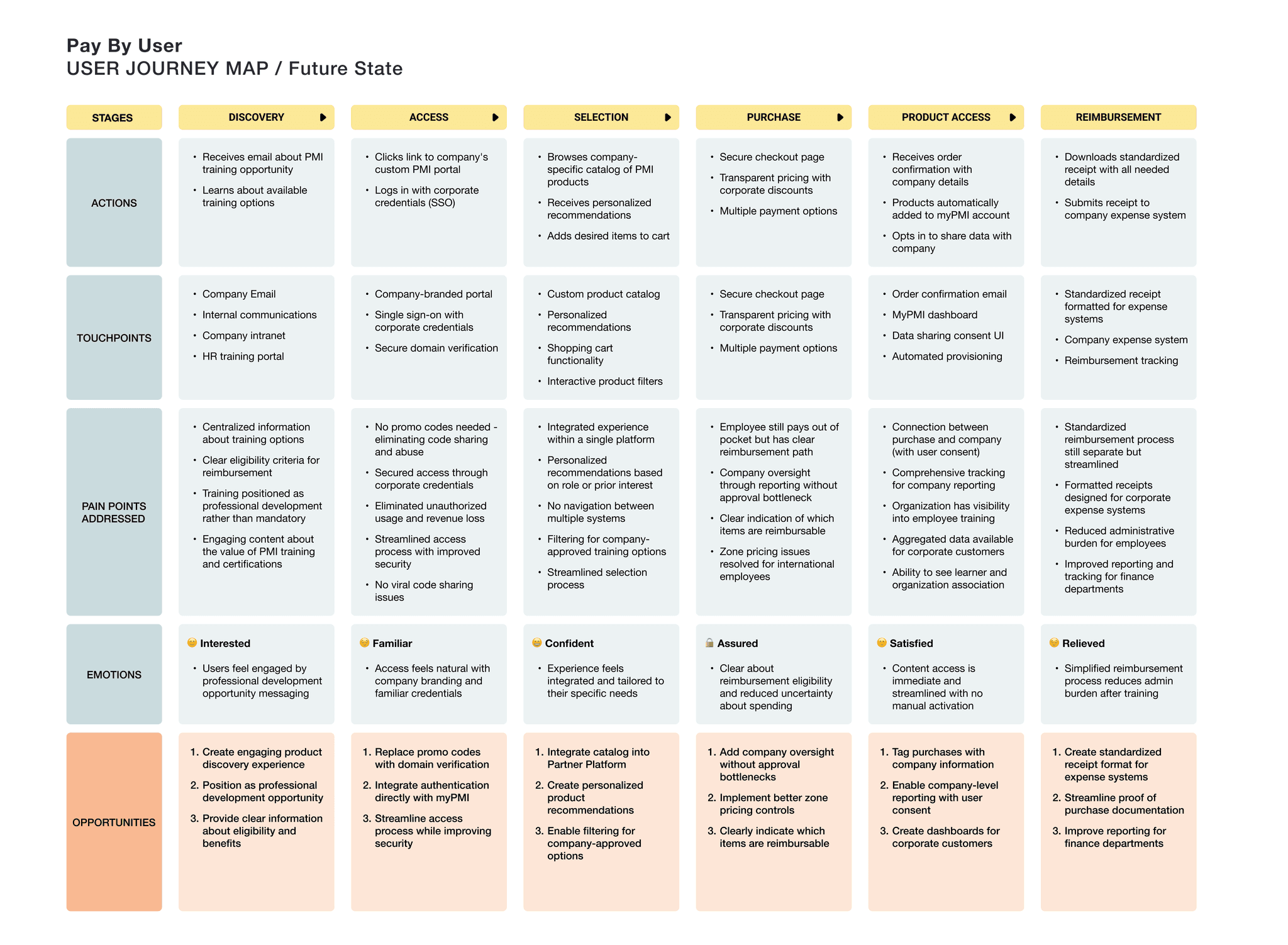
We created an enterprise-ready access model with:

  • Secure single sign-on through corporate email domains
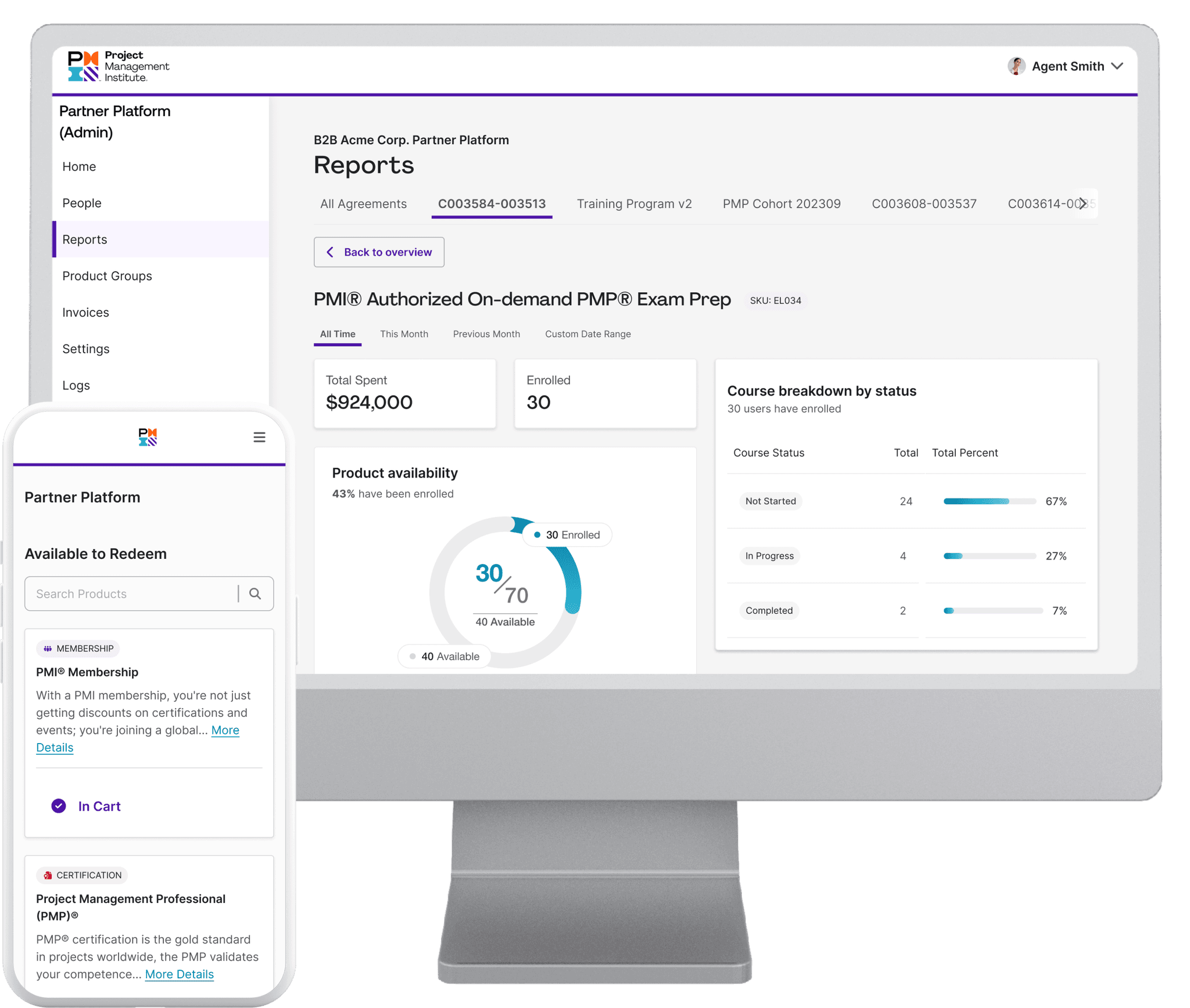
  • Custom approval workflows and usage monitoring
  • Personalized product catalogs with automatic pricing
  • Automated provisioning for enterprise teams
  • Streamlined checkout with reimbursement documentation

Research & Insights

Understanding behavior before designing the system.

Conducted 15 strategic stakeholder interviews across Legal, Sales, IT, and Fortune 500 procurement teams to understand the intersection of security requirements, business growth needs, and technical constraints. The research approach focused on identifying systemic issues beyond the surface-level fraud problem.

Methods

  • 15 in-depth stakeholder interviews across Sales Leadership, Operations Teams, Compliance Officers, and Fortune 500 Procurement teams.
  • Research into revenue impact, fraud management processes, security requirements, and enterprise buying behaviors.
  • Collaborative synthesis workshops to identify systemic patterns and strategic opportunities.

Findings

  • The B2C promotional code system was fundamentally incompatible with enterprise procurement needs and security standards.
  • Enterprise clients required domain-based authentication, administrative controls, and detailed audit trails.
  • Technical limitations were costing direct fraud losses and millions in unrealized enterprise revenue opportunities.
โ€œThe stakeholder interviews were pivotal in uncovering the systemic issues that were not immediately apparent. They provided the clarity needed to align our security and business growth strategies.โ€
Michael T. ยท Client Success Manager
โ€œUnderstanding the unique needs of our enterprise clients through in-depth research allowed us to tailor our solutions effectively, turning a significant challenge into a competitive advantage.โ€
Sarah W. ยท Director of Enterprise Sales
Transforming Enterprise Security: From Fraud to Revenue Growth supporting image

Design Decisions

Key moves that clarified complex workflows.

Instead of asking โ€œHow do we fix promo codes?โ€ I reframed the challenge to โ€œWhatโ€™s preventing us from scaling with enterprise clients?โ€ This shift in perspective revealed that our B2C discount model was fundamentally incompatible with enterprise procurement processes and compliance requirements.

Enterprise Discovery โ†’ Domain Authentication โ†’ Role Assignment โ†’ Platform Access โ†’ Usage Monitoring

  • ๐Ÿ” Domain-Based Authentication Over Manual Verification
  • ๐Ÿ‘ฅ Role-Based Access Controls Over Fixed Permissions
  • ๐Ÿ“Š Real-Time Usage Analytics Over Periodic Reports
  • ๐ŸŒ Regional Customization Over Global Standardization

Together, these decisions created a secure, scalable platform that addressed enterprise needs while eliminating fraud vulnerabilities and enabling new revenue opportunities.

Transforming Enterprise Security: From Fraud to Revenue Growth design image

Outcome

Measurable impact and operational change.

The transformation of the enterprise learning platform's security architecture resulted in significant business and operational impacts. The initiative eliminated fraud, unlocked new revenue opportunities, and set a foundation for future growth.

  • ๐Ÿ›ก๏ธ Fraud losses were completely eradicated, saving $650K annually.
  • ๐Ÿ’ฐ New enterprise capabilities generated $3.1M in revenue in the first year.
  • ๐Ÿ“ˆ The project achieved a 575% ROI.
โ€œThe transformation not only eradicated fraud but also streamlined our operations, leading to a substantial reduction in support overhead and a significant boost in client satisfaction.โ€
Laura M. ยท Vice President of Operations

Reflection

Every design decision must be measured against revenue generation, operational efficiency, and user adoption metrics. Enterprise UX leadership requires connecting user experience improvements directly to business outcomes and stakeholder value rather than focusing solely on interface aesthetics or usability metrics.

Back to projects